
Femtosecond Laser Cataract Surgery Brisbane
Cataract surgery using advanced laser technology
Cataracts are one of the most common causes of vision changes as we age, often leading to blurry vision, difficulty with bright lights, and reduced clarity in daily life. Modern laser cataract surgery offers an advanced, technology-assisted approach to restoring clear vision.
At Dr Geoffrey Ryan’s Brisbane practice, femtosecond laser cataract surgery – also known as FLACS – combines detailed imaging with computer-guided precision to support key surgical steps and promote consistency throughout the procedure.
Dr Geoffrey Ryan is a FRANZCO ophthalmologist performing femtosecond laser cataract surgery in Brisbane using the Ziemer FEMTO LDV Z8 — the same low-energy femtosecond platform used for LASIK flap creation and CLEAR lenticule extraction at his practice. He also offers standard phacoemulsification cataract surgery for patients for whom the laser technique is not indicated or preferred.
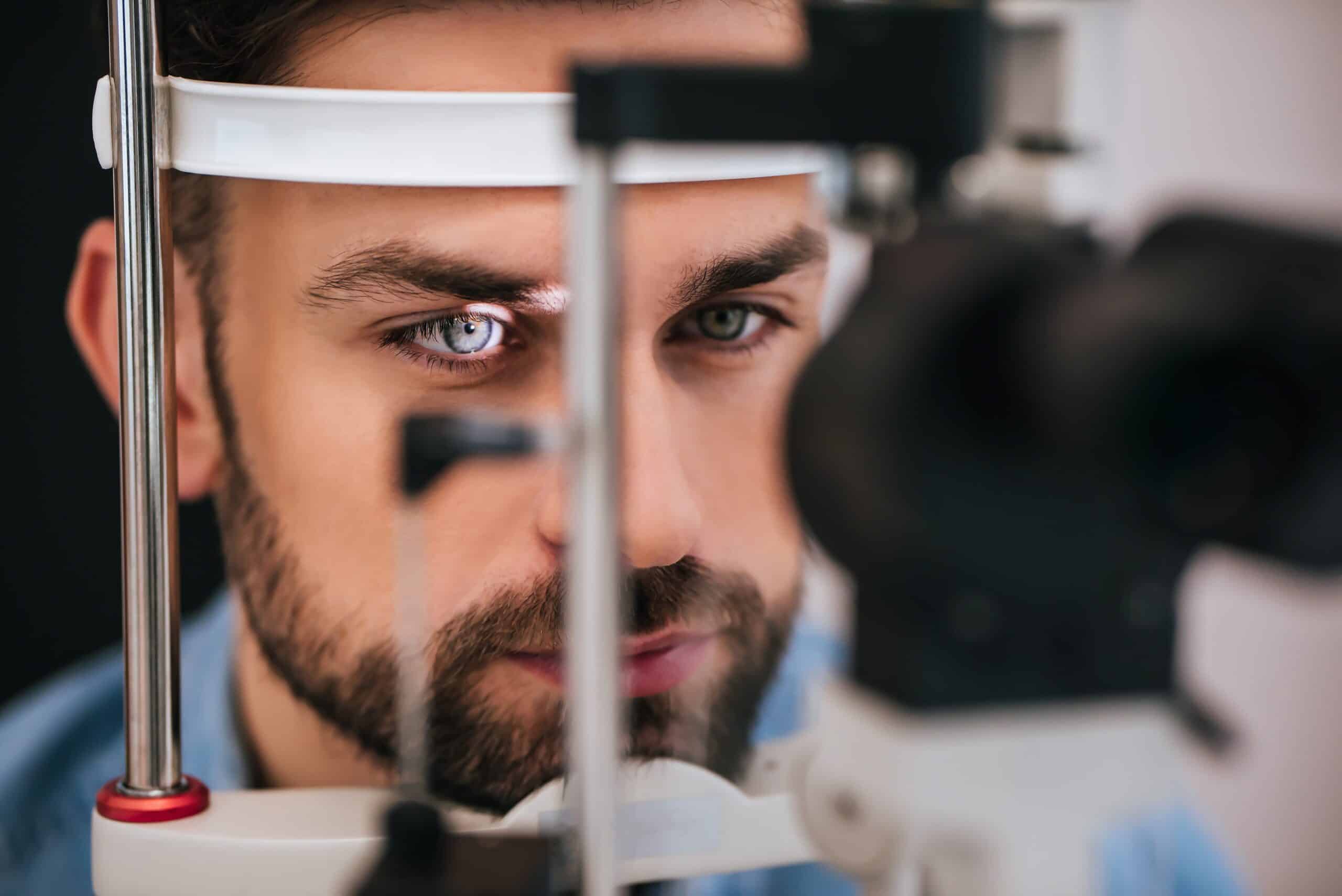

The Ziemer FEMTO LDV Z8
Dr Geoffrey Ryan performs femtosecond laser cataract surgery using the Ziemer FEMTO LDV Z8 – the same low-energy femtosecond laser platform used for LASIK flap creation and CLEAR lenticule extraction at his practice.
The Z8 is used to perform some of the most precision-critical steps of cataract surgery before lens removal takes place. During the procedure, the laser can:
Dr Ryan chose the Ziemer FEMTO LDV Z8 because of its low-energy Liquid Optik® approach, which is designed to deliver precise treatment while minimising disruption to surrounding eye tissues. The same technology that enables clean tissue planes during LASIK and CLEAR procedures also brings a high level of precision and reproducibility to femtosecond laser cataract surgery.
By automating key surgical steps, the Z8 helps support accurate intraocular lens positioning, reduces variability in critical stages of the procedure, and may reduce the amount of phacoemulsification energy required during cataract removal.
What is laser cataract surgery?
If you’ve been wondering what is laser cataract surgery, it is a refined form of cataract surgery that uses a computer-guided laser to assist key stages of the procedure.
In traditional cataract surgery, the surgeon performs these steps manually. With laser-assisted cataract surgery, a femtosecond laser enhances precision when creating incisions and preparing the lens capsule.
This approach is known as FLACS and is designed to:

How does laser cataract surgery work?
Understanding how does laser cataract surgery work can help you feel more confident in your treatment.
Before surgery, advanced imaging – including optical coherence tomography – is used to create a detailed surgical plan based on your eye’s natural lens, cornea, and axial length.
During laser cataract surgery:
This preparation allows the surgeon to remove the clouded lens more efficiently and insert a new artificial lens with greater accuracy.
Is FLACS right for you?
Femtosecond laser cataract surgery may be recommended if you are seeking a technology-assisted approach to cataract surgery.
While standard phacoemulsification remains an excellent option for many patients, FLACS can offer additional benefits in specific clinical situations where precision and reproducibility are particularly important.
You may be a suitable candidate if you:
Patients choosing premium trifocal or EDOF lenses are often considered good candidates for FLACS. The laser creates a highly precise and reproducible capsular opening, helping support accurate lens positioning and long-term visual performance.
FLACS may also be beneficial for patients with dense cataracts, as the laser can pre-soften and fragment the cloudy lens before removal. This can reduce the amount of ultrasound energy required during surgery and may lessen stress on surrounding eye structures.
Your suitability for femtosecond laser cataract surgery depends on several factors, including your overall eye health, the condition of your cornea, the characteristics of your cataract, and your visual goals.
During your consultation, Dr Geoffrey Ryan will perform a detailed assessment and discuss whether femtosecond laser cataract surgery or standard phacoemulsification is the most appropriate option for your individual circumstances.

Intraocular Lens (IOL) Options
The lens chosen during cataract surgery is just as important as the surgical technique itself. Once the cloudy natural lens is removed, it is replaced with an artificial intraocular lens (IOL) designed to provide long-term vision correction.
Several IOL options are available, including:
The most suitable lens depends on your eye health, lifestyle, visual goals and whether reducing dependence on glasses is a priority.
During your consultation, Dr Geoffrey Ryan will discuss the advantages and considerations of each option and recommend the most appropriate lens for your individual needs.
What conditions can laser cataract surgery treat?
The primary goal of cataract laser surgery is to treat cataracts, when the eye’s natural lens becomes cloudy.
This can cause:
By removing the cloudy lens and replacing it with a premium lens, the procedure helps restore clear vision and improve overall visual function.

The FLACS procedure – what actually happens
The laser cataract surgery procedure combines laser precision with surgical expertise.
During treatment:
This is typically performed as a day procedure and is similar to conventional cataract surgery, but with added precision during key steps.

What does laser cataract surgery feel like?
Patients are sedated for comfort during cataract surgery, and most report minimal discomfort throughout the laser treatment.
Recovery after laser cataract surgery
Recovery from laser-assisted cataract surgery is usually smooth.
In the first few days
Over the next few weeks
The overall recovery time varies, but many patients notice improvements quickly.
Results – what can you expect?
The goal of laser cataract surgery is to improve vision and restore clarity.
Most patients report:
With premium intraocular lenses, including multifocal lenses or toric lens options, it may also be possible to correct astigmatism and reduce the need to wear glasses.

Risks and considerations
As with any cataract operation, there are risks associated with laser cataract surgery.
These may include:
While laser cataract surgery offers enhanced precision, the overall safety profile is similar to traditional cataract surgery.
Your ophthalmic surgeon will explain all risks and ensure you have realistic expectations.
FLACS vs other eye surgery options
Understanding your options helps you make an informed decision.
Note: the rows above describe technical differences in how each technique is performed — they don't guarantee a particular visual outcome for every patient. Your suitability and expected results will be discussed at your consultation.
Why choose Dr Geoffrey Ryan
Choosing the right surgeon is essential for achieving safe outcomes.
Dr Geoffrey Ryan is an experienced ophthalmic surgeon offering:
Each procedure is tailored to your individual eye health and vision goals.

What happens at your FLACS consultation?
Your consultation is designed to determine whether laser cataract surgery is right for you.
This includes:
A detailed eye examination
Imaging of your eye’s natural lens and cornea
Discussion of your lifestyle and visual expectations
You’ll receive a personalised plan outlining:
Lens options, including multifocal intraocular lenses
Expected outcomes
Recovery and aftercare

Cost of laser cataract surgery Brisbane
The cost of laser cataract surgery depends on your individual needs, lens selection, and treatment plan.
Because each patient is different, an exact cost can only be provided after your consultation.
Medicare may cover part of cataract surgery if it is medically necessary, with additional costs for premium lenses or laser-assisted techniques.
Frequently asked questions
Can't find the answer you're looking for? Give us a call, we're happy to help.
Take the next step towards clearer vision
If cataracts are affecting your vision, laser cataract surgery Brisbane may help restore clarity and confidence in everyday life.
Dr Geoffrey Ryan will guide you through your options and recommend the most appropriate treatment for your eyes.