
LASIK Eye Surgery Brisbane
Restore clear, focused vision with advanced laser eye surgery
If you’re tired of relying on glasses or contact lenses, LASIK eye surgery offers a proven and effective way to correct vision and improve everyday clarity.
At Dr Geoffrey Ryan’s Brisbane practice, LASIK laser eye surgery is performed using the Ziemer FEMTO LDV Z8 femtosecond laser and the WaveLight EX500 excimer laser, combining advanced flap creation technology with highly precise corneal reshaping.
Every patient undergoes a detailed assessment to determine the safest and most effective treatment – because no two eyes are the same.
Dr Geoffrey Ryan is a FRANZCO ophthalmologist performing bladeless LASIK in Brisbane using the Ziemer LDV Z8 femtosecond laser for flap creation and the WaveLight EX500 excimer laser for corneal reshaping — two of the most precise platforms available in refractive surgery today.
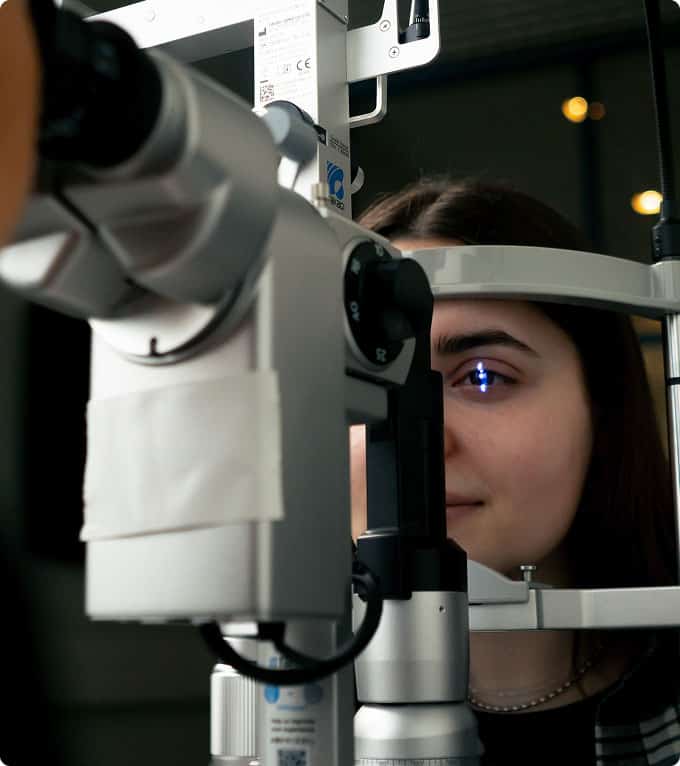
What is LASIK eye surgery?
LASIK (laser-assisted in situ keratomileusis) is a type of laser vision correction designed to treat common refractive errors by reshaping the cornea.
These include:
By adjusting how light enters the eye and focuses on the retina, LASIK surgery helps correct vision and reduce dependence on glasses or contact lenses.
It is one of the most widely performed forms of modern laser eye surgery, with a strong track record for safety and effectiveness when performed by an experienced eye surgeon.

How does LASIK work?
LASIK is a precise, laser-assisted procedure that reshapes the corneal tissue to improve focus.
A thin corneal flap is created using a femtosecond laser. This allows access to the deeper layers of the cornea, where an excimer laser is used to reshape the surface.
This process changes how light travels through the eye, allowing it to focus more accurately on the retina.
For a detailed step-by-step explanation, visit:

Bladeless LASIK technology
Dr Geoffrey Ryan performs bladeless LASIK using two advanced laser systems: the Ziemer LDV Z8 femtosecond laser and the WaveLight EX500 excimer laser.
The Ziemer LDV Z8 creates a precise corneal flap without the use of a blade, while the WaveLight EX500 reshapes the cornea to correct short-sightedness, long-sightedness and astigmatism.
Together, these technologies allow for a highly precise, customised approach to LASIK treatment based on your individual eye anatomy and vision goals.

Is LASIK right for you?
Not everyone is suitable for LASIK treatment, which is why a thorough initial assessment is essential.
You may be a suitable candidate if you:
LASIK may not be suitable for patients with:
In these cases, alternatives such as photorefractive keratectomy (PRK), implantable collamer lenses (ICL), or refractive lens exchange may be more appropriate.
Dr Ryan will carefully determine the safest and most effective option for your eyes.
What conditions can LASIK treat?
LASIK eye surgery is used to treat common refractive errors, including:
These conditions affect how light focuses inside the eye. LASIK corrects this by reshaping the cornea for clearer, more stable vision.

The LASIK procedure – what actually happens
LASIK is performed using two advanced laser systems. First, the Ziemer LDV Z8 femtosecond laser creates a precise corneal flap without the use of a blade. Dr Ryan then gently lifts the flap and uses the WaveLight EX500 excimer laser to reshape the underlying cornea and correct your refractive error.
Once treatment is complete, the flap is repositioned and naturally adheres without stitches.
The procedure is typically completed within 20–30 minutes for both eyes, with the laser treatment itself taking only seconds per eye. Most patients return home the same day and experience noticeable vision improvement within the first 24–48 hours.
For a full walkthrough of what to expect on the day:
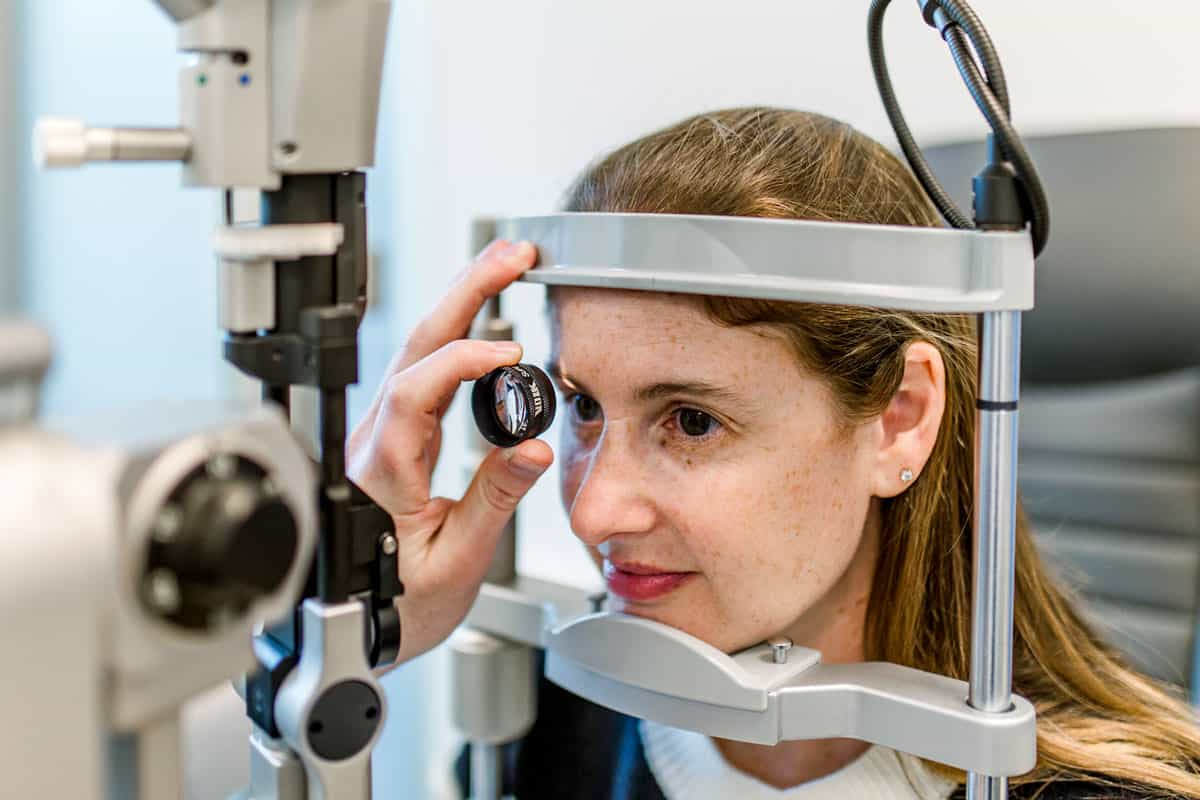
What does LASIK feel like?
Most patients experience minimal discomfort during LASIK laser eye surgery.
You may feel:
Pain is typically minimal due to numbing drops, and most patients are surprised by how quick and manageable the experience is.
Recovery after LASIK
Recovery from LASIK is generally fast compared to other forms of laser eye surgery.
Most patients
During the healing process, you may experience:
Eye drops are prescribed to support healing and comfort. Follow-up appointments are essential to monitor your recovery and ensure optimal results.
Results – what can you expect?
LASIK aims to provide long-term vision correction and reduce reliance on glasses or contact lenses.
Most patients achieve:
However, outcomes can vary depending on your eyes, prescription, and overall eye health.
Some patients may still require reading glasses later in life due to natural ageing changes in the eye.

Risks and considerations
All eye surgery carries some level of risk, although serious complications are uncommon when performed by experienced ophthalmologists.
Potential risks include:
LASIK is not suitable for everyone, and a careful assessment is essential to minimise risk.
Dr Ryan will discuss all risks in detail and ensure you have realistic expectations before proceeding.
LASIK, PRK and SMILE – How they compare
LASIK is one of several laser eye treatment options available.
All three procedures achieve equivalent long-term visual outcomes in appropriately selected patients. The best procedure is the one matched to your individual corneal anatomy, lifestyle, and visual goals.
Why choose Dr Geoffrey Ryan for LASIK Brisbane?
Choosing the right LASIK surgeon involves more than selecting a procedure — it means choosing an experienced ophthalmologist, advanced technology and a clinic committed to personalised care.
Dr Geoffrey Ryan is a FRANZCO ophthalmologist with subspecialty expertise in refractive and corneal surgery. He completed advanced training at Moorfields Eye Hospital in London, one of the world's leading ophthalmic institutions, and performs laser vision correction using some of the most advanced refractive surgery technology available.
Patients benefit from:
Because Dr Ryan offers multiple vision correction procedures, you'll receive advice focused on finding the most appropriate treatment for your eyes rather than a one-size-fits-all approach.
Learn more here:

What happens at your LASIK consultation?
Your consultation is designed to determine whether LASIK is right for you.
This includes:
A comprehensive vision assessment
Corneal mapping and measurements
Evaluation of your eye health and retina
Discussion of your goals and lifestyle
You’ll receive clear guidance on:
Your suitability for LASIK treatment
Alternative procedures if needed
Expected results and recovery
A personalised treatment plan will be provided before any decision is made.

Cost of LASIK eye surgery in Australia
The cost of LASIK eye surgery can vary depending on your individual needs and the complexity of your treatment.
In Australia, LASIK typically starts from around:
Factors that influence cost include:
LASIK is generally not covered by Medicare, although some health fund policies may offer limited benefits.
Frequently asked questions
Can't find the answer you're looking for? Give us a call, we're happy to help.
Take the next step towards clearer vision
If you’re considering LASIK Brisbane patients trust, the first step is a professional assessment.
Dr Geoffrey Ryan will determine whether LASIK or another form of laser eye surgery is the right choice for your vision and lifestyle.